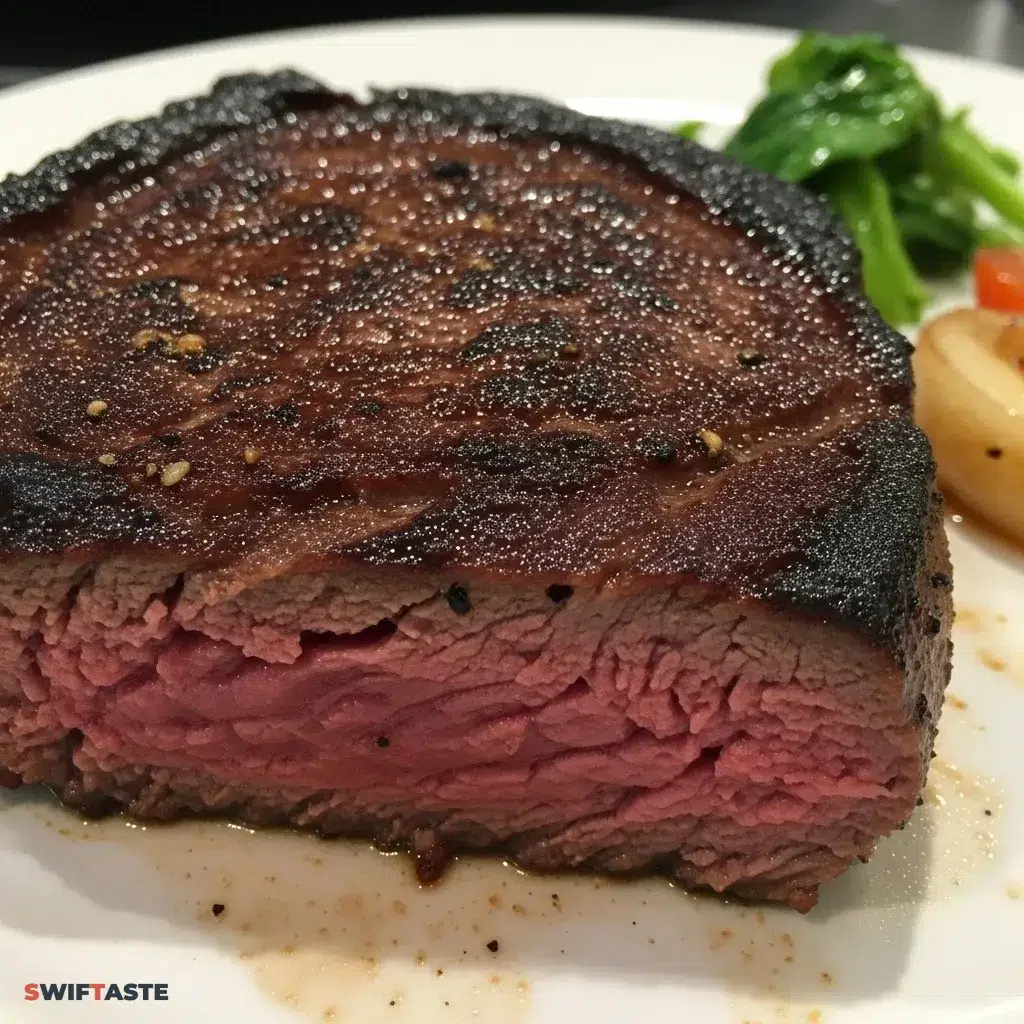
Achieving a restaurant-quality Roasted Beef Steak Meal at home involves more than just applying heat. It requires a fundamental understanding of protein structure and the Maillard reaction. This specific Roasted Beef Steak Meal delivers a deeply caramelized crust and a succulent, edge-to-edge pink interior.
You will appreciate how simple physics transforms a humble cut of meat into a culinary masterpiece. By following these precise steps, your Roasted Beef Steak Meal will consistently outperform your favorite steakhouse. Let’s dive into the science of the perfect Roasted Beef Steak Meal.
Why You’ll Love This Roasted Beef Steak Meal
- The Roasted Beef Steak Meal utilizes reverse-searing techniques for maximum tenderness.
- Rich umami flavors dominate every bite of this Roasted Beef Steak Meal.
- High-protein and nutrient-dense, this Roasted Beef Steak Meal fits most healthy lifestyles.
- Minimal cleanup makes the Roasted Beef Steak Meal ideal for weeknight luxury.
- Understanding the science behind the Roasted Beef Steak Meal ensures perfect results every single time.
Ingredients You’ll Need
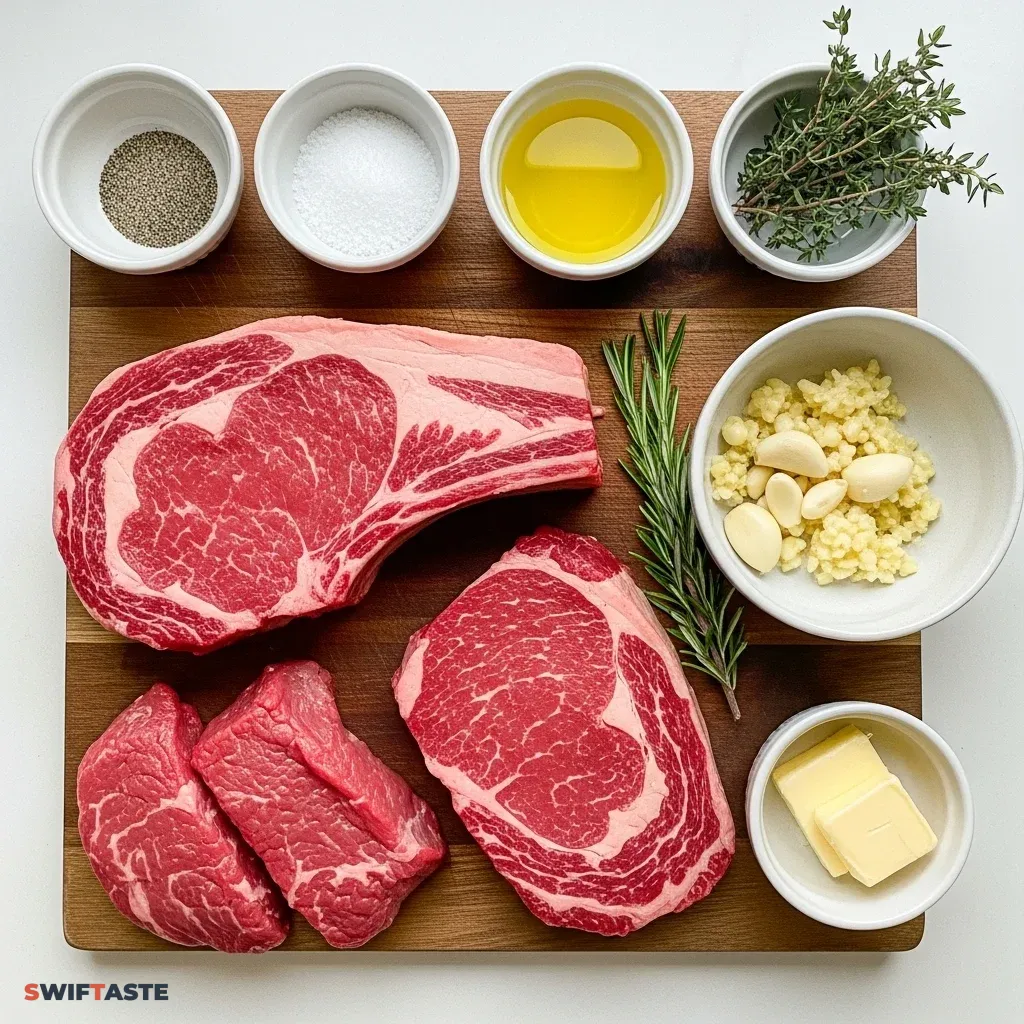
The foundation of a great Roasted Beef Steak Meal is the quality of the raw materials. I always recommend sourcing thick-cut steaks, at least 1.5 inches thick, to allow the heat to penetrate evenly without overcooking the center.
| Ingredient | Quantity | Function in the Recipe |
|---|---|---|
| Ribeye or New York Strip | 2 Steaks (1.5-2 inches thick) | The protein base of the Roasted Beef Steak Meal. |
| Diamond Crystal Kosher Salt | 2 Tablespoons | Facilitates moisture draw and protein seasoning. |
| Freshly Cracked Black Pepper | 1 Tablespoon | Adds aromatic heat and crust texture. |
| High-Smoke Point Oil (Avocado or Grapeseed) | 2 Tablespoons | Ensures efficient heat transfer during the sear. |
| Unsalted Butter | 3 Tablespoons | Provides richness and aids in the Maillard reaction. |
| Fresh Garlic Cloves | 4 Cloves (Smashed) | Infuses the fat with aromatic compounds. |
| Fresh Thyme and Rosemary | 4 Sprigs | Provides earthy, herbal depth to the meat. |
Substitutions & Variations
Note: This video is for demonstration purposes and may use a slightly different method.

When constructing a Roasted Beef Steak Meal, you might need to pivot based on dietary needs or availability. If you prefer a leaner profile for your Roasted Beef Steak Meal, substitute the ribeye with a grass-fed Filet Mignon. Furthermore, you can replace the butter with a high-quality ghee if you are sensitive to lactose but still want that nutty flavor in your Roasted Beef Steak Meal.
For a different aromatic profile, try using dried sage or oregano instead of thyme. Always ensure your substitutions maintain the high-heat stability required for the Roasted Beef Steak Meal. Avoid using extra virgin olive oil for the final sear, as its low smoke point will produce bitter flavors and harmful compounds.
When crafting a Roasted Beef Steak Meal, you might want to consider alternatives that fit your dietary preferences. For example, substituting ribeye with a grass-fed Filet Mignon and exploring recipes like High-Protein Philly Cheesesteak Mac & Cheese can offer delicious variations.
Step-by-Step Instructions
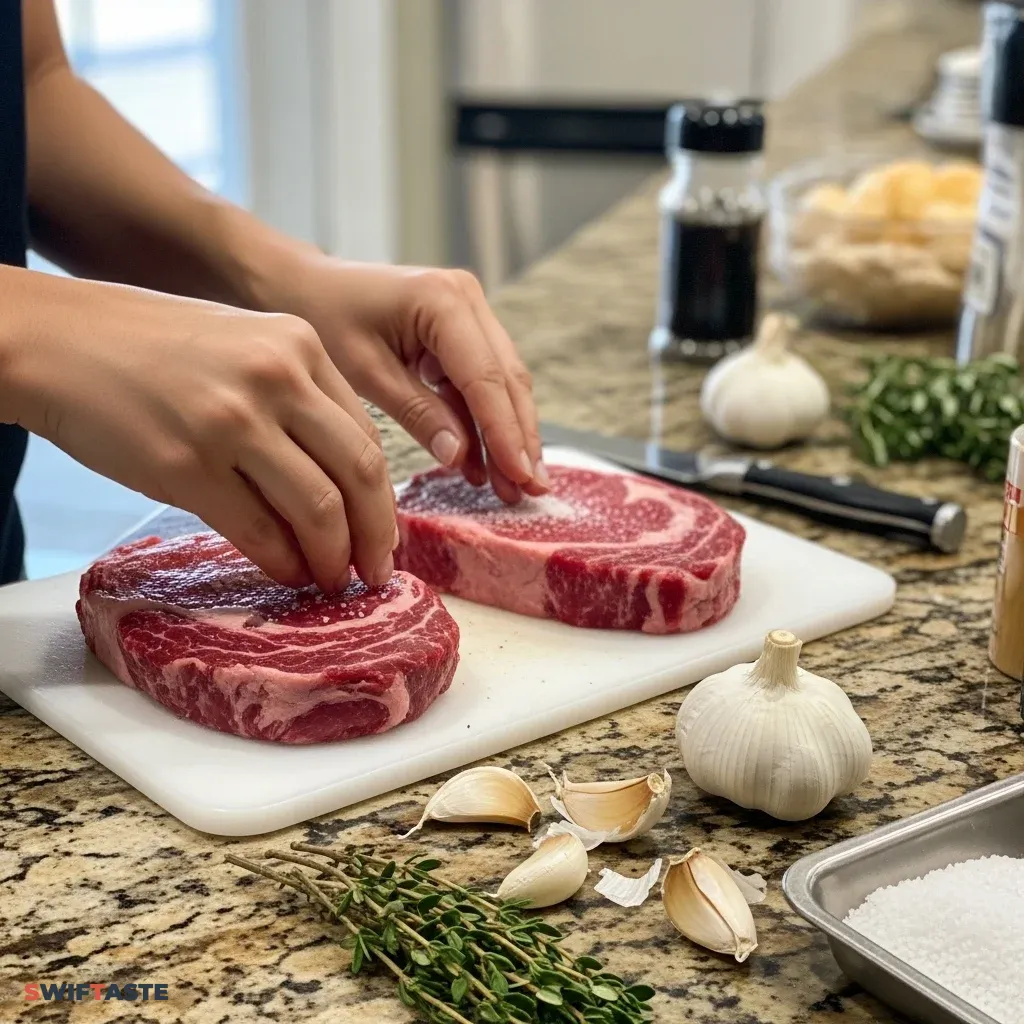
Follow these steps carefully to ensure your Roasted Beef Steak Meal reaches its full potential. We are focusing on thermal control and moisture management.
- Tempering and Dry Brining: Remove the steaks from the refrigerator at least 45 minutes before cooking. This allows the internal temperature to rise, ensuring even cooking. Season the meat generously with kosher salt on all sides. This process, known as dry-brining, allows the salt to penetrate the muscle fibers and improve moisture retention in your Roasted Beef Steak Meal.
- The Low-Temperature Roast: Preheat your oven to 250°F (120°C). Place the seasoned steaks on a wire rack set over a rimmed baking sheet. This setup allows hot air to circulate around the entire surface area. Roast until the internal temperature reaches 115°F for medium-rare. This slow heating prevents the muscle fibers from “seizing” and squeezing out juices.
- The Rest Before the Sear: Once the steaks reach the target temperature, remove them from the oven. Tent them loosely with foil and let them rest for 10 minutes. This pause allows the surface moisture to evaporate, which is crucial for achieving a crust on your Roasted Beef Steak Meal.
- Searing for the Maillard Reaction: Heat a heavy cast-iron skillet over high heat until the oil begins to shimmer and smoke slightly. Place the steaks in the pan. Because we pre-roasted them, we only need to sear for about 60 to 90 seconds per side. This is where the Roasted Beef Steak Meal develops its signature flavor.
- The Butter Baste: Reduce the heat to medium-high. Add the butter, smashed garlic, and fresh herbs to the pan. As the butter foams, tilt the pan and use a large spoon to continuously pour the hot, aromatic fat over the steaks. This “arrosé” technique adds a final layer of complexity to the Roasted Beef Steak Meal.
- Final Rest: Transfer the meat to a warm plate. Let it rest for another 5 minutes. During this time, the internal juices redistribute, ensuring that every slice of your Roasted Beef Steak Meal is perfectly moist.
Pro Tips for Success
As a former test kitchen chef, I cannot stress the importance of a digital meat thermometer. Timing varies based on steak thickness and oven calibration. Relying on “feel” is a recipe for inconsistency. For a perfect Roasted Beef Steak Meal, aim for an internal pull temperature of 115°F for medium-rare, as the temperature will rise about 5-10 degrees during the sear and rest phases.
Additionally, focus on “surface dryness.” If the meat is wet when it hits the pan, the energy of the stove goes into evaporating water rather than browning the protein. Pat the steaks with paper towels after the oven stage to ensure the best crust for your Roasted Beef Steak Meal. Lastly, always slice against the grain. This shortens the muscle fibers, making the Roasted Beef Steak Meal much easier to chew and more tender on the palate.
Precision is key for a flawless Roasted Beef Steak Meal, and using a reliable digital meat thermometer will ensure perfect doneness. Achieve remarkable results by also trying out the High Protein Creamy Beef Pasta Recipe for a delicious side.
Storage & Reheating Tips
If you have leftovers from your Roasted Beef Steak Meal, store them in an airtight glass container. Properly stored, the Roasted Beef Steak Meal will remain fresh in the refrigerator for up to three days. To maintain the integrity of the texture, avoid the microwave. The high-frequency waves will overcook the center and make the fat rubbery.
Instead, reheat the Roasted Beef Steak Meal in a 300°F oven until the internal temperature reaches 110°F. Alternatively, slice the cold steak thinly and serve it over a warm salad. This prevents the “warmed-over flavor” caused by lipid oxidation. For long-term storage, you can freeze the Roasted Beef Steak Meal for up to two months, though some textural quality may be lost upon thawing.
What to Serve With This Recipe
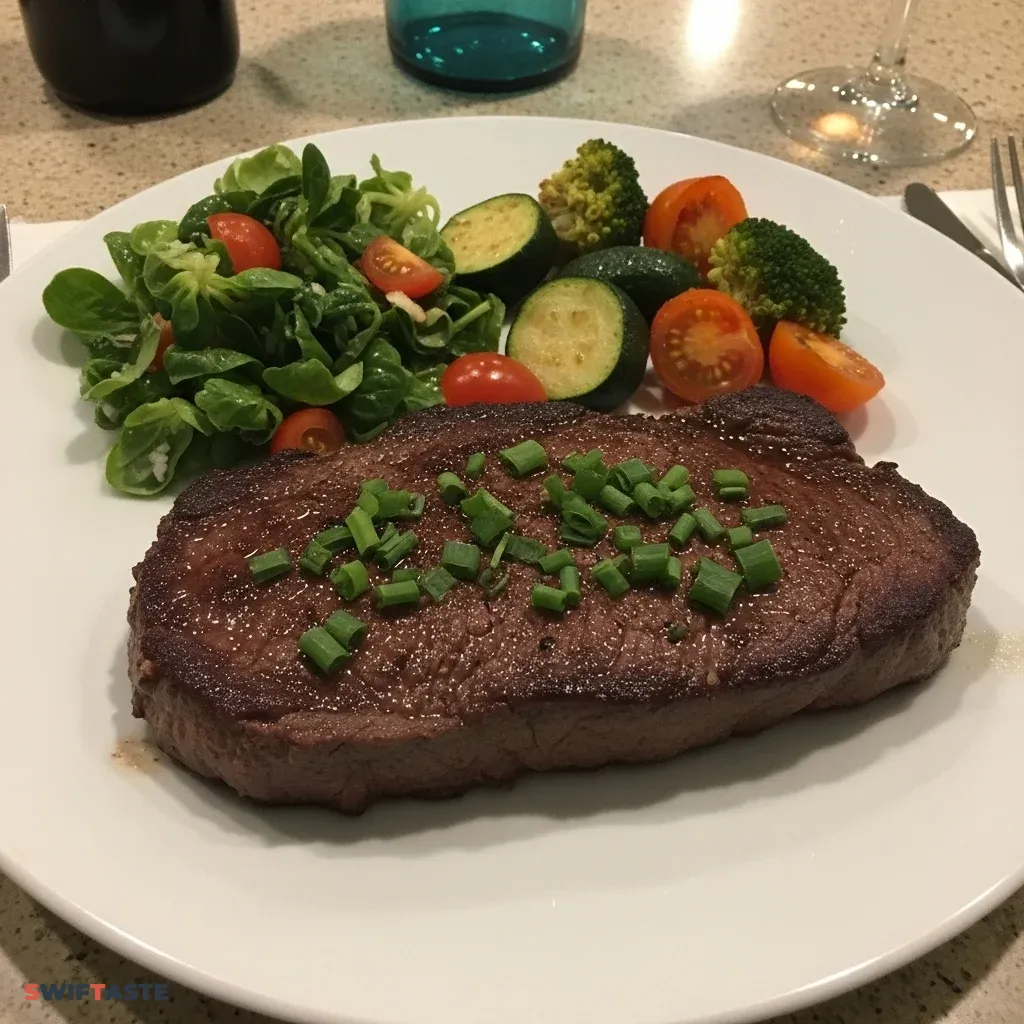
To balance the richness of the Roasted Beef Steak Meal, I recommend high-fiber, nutrient-dense side dishes. A vibrant arugula salad with a lemon-truffle vinaigrette provides a necessary acidic punch that cuts through the fat of the beef. Additionally, roasted Brussels sprouts with a balsamic glaze offer a sweet and savory contrast to the Roasted Beef Steak Meal.
If you want to keep the meal hearty yet healthy, consider a cauliflower mash infused with roasted garlic. This provides the creamy texture of potatoes without the heavy starch load. Grilled asparagus spears seasoned with lemon zest are another excellent pairing for the Roasted Beef Steak Meal, offering a fresh, snap-crisp texture that complements the tender meat.
Balancing flavors is essential in a Roasted Beef Steak Meal, so pairing it with nutrient-dense sides enhances the overall experience. For a delightful twist, consider serving it alongside dishes like High-Protein Philly Cheesesteak Mac & Cheese.
FAQs
What is the best cut of meat for a Roasted Beef Steak Meal?
The best cuts are usually the Ribeye, New York Strip, or Filet Mignon. These cuts have the right balance of intramuscular fat (marbling) and lean muscle. The marbling melts during the roasting process, basting the meat from the inside and creating a superior Roasted Beef Steak Meal.
How do I prevent the steak from becoming tough?
Toughness usually results from two things: high heat causing the protein fibers to contract too quickly, or failing to rest the meat. By using the reverse sear method for your Roasted Beef Steak Meal, you gently bring the temperature up, which keeps the fibers relaxed. Always allow the meat to rest so the juices stay inside the steak.
Can I make a Roasted Beef Steak Meal without a cast-iron skillet?
While cast iron is ideal because of its high thermal mass, you can use a heavy stainless steel pan. The key is to ensure the pan can hold heat well. Avoid non-stick pans, as they cannot safely reach the high temperatures required to create the crust for a proper Roasted Beef Steak Meal.
A Roasted Beef Steak Meal can be a delightful culinary experience when executed properly. Understanding the techniques and the right ingredients is crucial, as seen in the culinary principles of steak preparation.
Nutrition Information (per serving)
This breakdown covers a standard portion of the Roasted Beef Steak Meal, assuming a 6-ounce serving of beef.
| Macro | Amount |
|---|---|
| Calories | 450 kcal |
| Protein | 42g |
| Total Fat | 31g |
| Saturated Fat | 14g |
| Carbohydrates | 0g |
| Iron | 25% DV |
Ultimately, the Roasted Beef Steak Meal is a testament to the beauty of precision cooking. When you respect the science of heat transfer and protein denaturation, you elevate a simple piece of meat into a world-class Roasted Beef Steak Meal. Enjoy the process and the delicious results.
Print
Roasted Beef Steak Meal
- Total Time: 75 mins
- Yield: 2 servings 1x
- Diet: Gluten Free
Description
This Roasted Beef Steak Meal utilizes reverse-searing techniques for maximum tenderness, delivering a deeply caramelized crust and a succulent, edge-to-edge pink interior. Rich umami flavors dominate every bite, and its high-protein and nutrient-dense nature fits most healthy lifestyles. Minimal cleanup makes it ideal for weeknight luxury.
Ingredients
2 pieces Ribeye or New York Strip 1.5-2 inches thick
2 tablespoons Diamond Crystal Kosher Salt
1 tablespoon Freshly Cracked Black Pepper
2 tablespoons High-Smoke Point Oil (Avocado or Grapeseed)
3 tablespoons Unsalted Butter
4 cloves Fresh Garlic Cloves (Smashed)
4 sprigs Fresh Thyme and Rosemary
Instructions
- Tempering and Dry Brining: Remove steaks from the refrigerator and season them generously with kosher salt. Let them rest for at least 45 minutes
- The Low-Temperature Roast: Preheat oven to 250°F (120°C). Place steaks on a wire rack and roast until internal temperature reaches 115°F
- The Rest Before the Sear: Remove steaks from the oven and let them rest tented with foil for 10 minutes
- Searing for the Maillard Reaction: Heat a cast-iron skillet over high heat. Sear steaks for about 60-90 seconds per side
- The Butter Baste: Reduce heat to medium-high, add butter, garlic, and herbs. Baste steaks with the foaming butter
- Final Rest: Transfer to a warm plate and let rest for another 5 minutes before serving
Notes
Always use a digital meat thermometer for accurate cooking.
Ensure the meat is dry before searing for the best crust.
Slice against the grain for a more tender bite.
- Prep Time: 45 mins
- Cook Time: 30 mins
- Category: Dinner
- Method: Baking and Searing
- Cuisine: American
Nutrition
- Serving Size: 1 steak
- Calories: 450 kcal
- Sugar: 0g
- Sodium: 2300mg
- Fat: 31g
- Saturated Fat: 14g
- Unsaturated Fat: 17g
- Trans Fat: 0g
- Carbohydrates: 0g
- Fiber: 0g
- Protein: 42g
- Cholesterol: 110mg