
Experience the unmatched satisfaction of biting into a warm, toasted muffin featuring a perfect English Muffins Yeast Dough. These breakfast staples offer a delightful contrast between a crisp, golden exterior and a soft, airy interior filled with iconic nooks and crannies. Making your own English Muffins Yeast Dough allows you to bypass the preservatives and refined sugars found in store-bought versions.
This recipe focuses on wholesome ingredients that fuel your body and stabilize your energy levels throughout the morning. You will find the process surprisingly meditative and deeply rewarding as the dough rises on your counter. Let us explore how to create this artisanal bread that transforms your morning ritual into a moment of pure wellness.
Why You’ll Love This English Muffins Yeast Dough Recipe
- Nutrient Density: This recipe uses whole, unrefined grains that provide essential fiber and B vitamins for sustained energy.
- Gut Health Benefits: The slow fermentation process of the English Muffins Yeast Dough helps break down gluten and phytic acid, making it easier on your digestion.
- Complete Quality Control: You eliminate inflammatory oils and high-fructose corn syrup by choosing your own high-quality fats and sweeteners.
- Superior Texture: Homemade English Muffins Yeast Dough creates much larger air pockets than commercial brands, resulting in the perfect vehicle for melted grass-fed butter or avocado.
Ingredients You’ll Need
Selecting the right ingredients for your English Muffins Yeast Dough determines the final nutritional profile and flavor depth. I always recommend organic options whenever possible to minimize pesticide exposure and maximize mineral content.
| Ingredient | Amount | Health Benefit |
|---|---|---|
| Organic Bread Flour or Spelt Flour | 3.5 Cups | High protein content for structure and fiber for digestion. |
| Warm Filtered Water (110°F) | 1.25 Cups | Hydrates the yeast without killing the delicate cultures. |
| Raw Honey or Maple Syrup | 1 Tablespoon | A natural sweetener to feed the yeast and provide subtle flavor. |
| Fine Sea Salt | 1 Teaspoon | Regulates yeast activity and enhances the natural grain flavors. |
| Melted Virgin Coconut Oil or Ghee | 2 Tablespoons | Provides healthy fats for a soft crumb and brain health. |
| Organic Cornmeal | 1/4 Cup | Adds a signature crunch and prevents the dough from sticking. |
Substitutions & Variations
Note: This video is for demonstration purposes and may use a slightly different method.
Creating a English Muffins Yeast Dough that fits your specific dietary needs is simple with a few mindful swaps. If you prefer a dairy-free experience, ensure you use coconut oil or a high-quality vegan butter instead of ghee. For those looking to increase their mineral intake, replacing half of the white bread flour with sprouted spelt flour adds a nutty richness and improves nutrient bioavailability.
You can also experiment with savory variations. Consider folding in a tablespoon of chopped fresh rosemary or dried thyme into your English Muffins Yeast Dough during the final mixing stage.
If you enjoy a touch of sweetness, adding a handful of organic raisins and a teaspoon of cinnamon transforms these into a wonderful afternoon snack. For a gluten-friendly alternative, a high-quality 1-to-1 gluten-free baking flour can work, though the texture of the English Muffins Yeast Dough will be denser and require slightly more moisture.
Creating an English Muffins Yeast Dough that fits your specific dietary needs is simple with a few mindful swaps. For ideas on how to enhance your meals, check out this Herb Pasta Salad that pairs perfectly with your muffins.
Step-by-Step Instructions
Follow these precise steps to ensure your English Muffins Yeast Dough rises beautifully and develops those coveted internal structures.
- Activate the Yeast: Combine the warm filtered water, raw honey, and active dry yeast in a large glass bowl. Let it sit for about 5 to 10 minutes until a foamy head forms on the surface. This step ensures your yeast is alive and ready to lift the English Muffins Yeast Dough.
- Mix the Base: Add the melted coconut oil and half of the flour to the yeast mixture. Stir with a wooden spoon until a shaggy paste forms. Incorporating the fat early coats the flour proteins and ensures a tender result.
- Incorporate Remaining Ingredients: Add the sea salt and the remaining flour gradually. Continue mixing until the English Muffins Yeast Dough pulls away from the sides of the bowl. The dough should be slightly sticky but manageable.
- The First Rise: Cover the bowl with a damp cloth and place it in a warm, draft-free spot. Allow the English Muffins Yeast Dough to double in size, which usually takes about 60 to 90 minutes. This fermentation stage is where the flavor develops.
- Shape the Muffins: Gently deflate the dough and turn it out onto a surface lightly dusted with cornmeal. Roll the English Muffins Yeast Dough to a thickness of about 1 inch. Use a circular cutter to stamp out your muffins.
- The Second Rise: Place the cut rounds on a baking sheet sprinkled with more cornmeal. Cover them and let them rest for another 30 minutes. This ensures the English Muffins Yeast Dough remains light after being handled.
- Cook on the Griddle: Heat a heavy cast-iron skillet over low-medium heat. Place the muffins in the dry skillet and cook for about 7 to 8 minutes per side. The internal temperature should reach 200°F. This stovetop method is the secret to the traditional English Muffins Yeast Dough texture.
Pro Tips for Success
Mastering the English Muffins Yeast Dough requires attention to detail and a bit of patience. First, never use a knife to slice your muffins. Instead, use a fork to “split” them around the center.
This preserved the interior ridges and nooks that hold your toppings. If you use a knife, you flatten the air pockets you worked so hard to create.
Second, monitor your heat carefully. If the skillet is too hot, the outside of your English Muffins Yeast Dough will burn before the center cooks through. A low, slow heat is essential for that perfect golden-brown crust.
If you find the centers are still a bit gummy, you can finish them in a 350°F oven for 5 minutes. Lastly, ensure your flour is measured correctly by weight if possible. Flour density varies by brand, and a precise English Muffins Yeast Dough benefits from the accuracy of a kitchen scale.
Mastering the English Muffins Yeast Dough requires attention to detail and a bit of patience. If you enjoy experimenting with different flavors, consider trying a side of Garlic Pasta Salad to complement your breakfast.
Storage & Reheating Tips
Your homemade English Muffins Yeast Dough creations contain no preservatives, so they require proper storage to maintain freshness. Keep them in an airtight container at room temperature for up to two days. For longer storage, I recommend slicing them first and then freezing them in a reusable silicone bag. They will stay fresh in the freezer for up to three months.
When you are ready to enjoy one, toast it directly from the freezer. Toasting revitalizes the English Muffins Yeast Dough, making the edges crisp while the center remains soft. Avoid using a microwave, as it will make the bread chewy and tough. A toaster or toaster oven provides the dry heat necessary to bring back that “just-baked” quality.
What to Serve With This Recipe
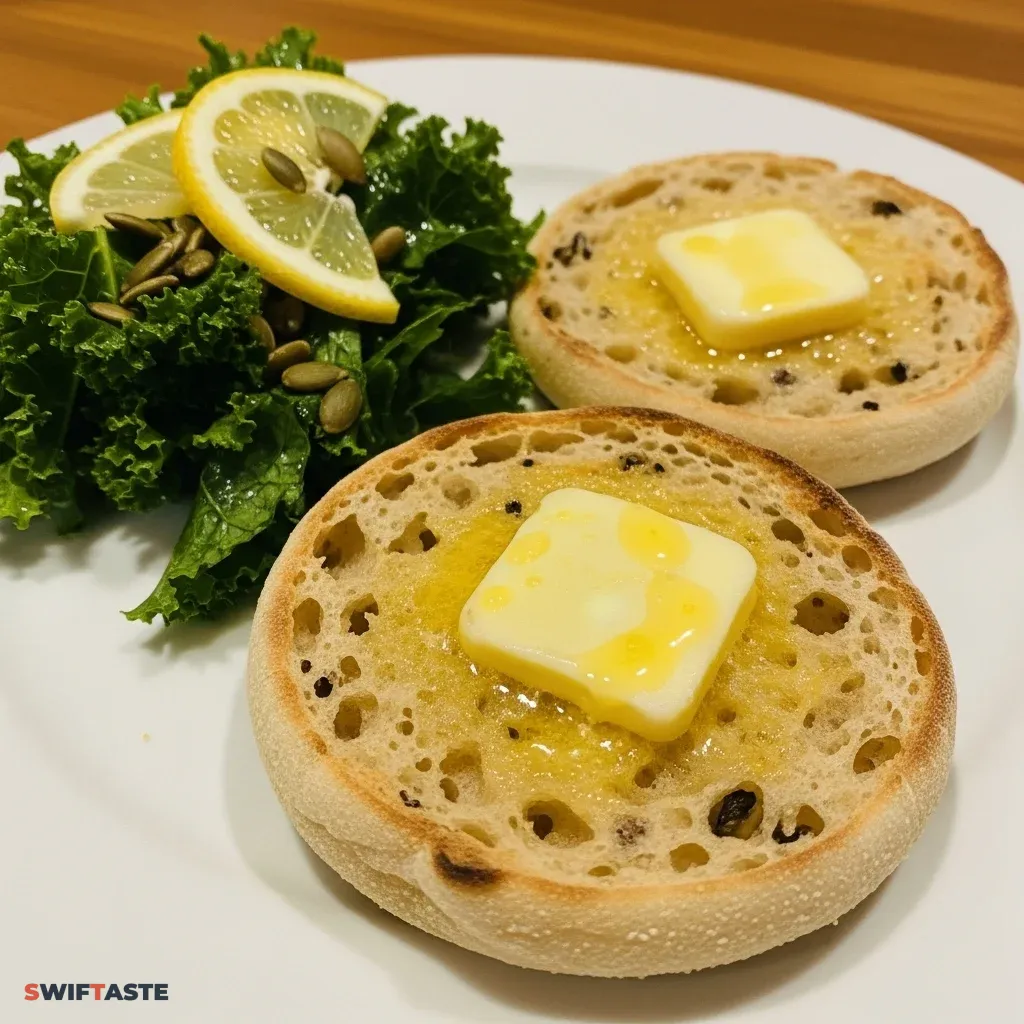
The versatility of English Muffins Yeast Dough makes it a canvas for various nutrient-dense toppings. For a balanced breakfast, top a toasted muffin with smashed avocado, a squeeze of lemon, and a sprinkle of hemp seeds. This combination provides healthy fats, fiber, and plant-based protein to keep you satiated.
If you prefer a savory lunch, use the English Muffins Yeast Dough as a base for a mini healthy pizza. Top with organic tomato sauce, fresh basil, and a slice of pasture-raised mozzarella. Alternatively, serve them alongside a vibrant kale salad or a warm bowl of roasted vegetable soup. The sturdy texture of the English Muffins Yeast Dough makes it excellent for dipping and scooping up hearty broths.
The versatility of English Muffins Yeast Dough makes it a canvas for various nutrient-dense toppings. For a delicious twist on your meals, explore our recipe for a Creamy Quinoa Salad that makes for an excellent pairing.
FAQs
Can I make the English Muffins Yeast Dough ahead of time?
Yes, you can prepare the English Muffins Yeast Dough and let it undergo a cold fermentation in the refrigerator overnight. This actually improves the flavor and makes the dough easier to handle the next morning. Simply pull it out and let it reach room temperature before shaping.
Why didn’t my English Muffins Yeast Dough rise?
The most common reason for a failed rise is dead yeast or water that was too hot. Ensure your water is between 105°F and 115°F. If the yeast doesn’t foam during the activation stage, discard the mixture and start over with fresh yeast to ensure your English Muffins Yeast Dough has the necessary lift.
Is English Muffins Yeast Dough healthier than regular bread?
When made at home with whole-food ingredients, English Muffins Yeast Dough is often healthier than commercial loaf bread. The portion size is naturally controlled, and the traditional griddle cooking method uses less oil than some enriched bread recipes. By using ancient grains, you further increase the nutritional value.
English Muffins Yeast Dough is notable for its unique texture and the delightful nooks and crannies that make it perfect for toppings. This artisanal bread style is a staple in many households, bringing together the best of yeast-leavened baking with the wholesome benefits of organic ingredients, which you can read more about in this bread article.
Nutrition Information (per serving)
This nutritional profile reflects one muffin made with the standard English Muffins Yeast Dough recipe using whole wheat or spelt flour. These values provide a balance of complex carbohydrates and moderate protein.
| Metric | Amount Per Serving |
|---|---|
| Calories | 165 kcal |
| Total Carbohydrates | 32g |
| Dietary Fiber | 4g |
| Protein | 6g |
| Total Fat | 3g |
| Sodium | 210mg |
Choosing to bake your own English Muffins Yeast Dough is a powerful step toward a more intentional and nourishing lifestyle. By focusing on the quality of your grains and the patience of the fermentation process, you create a food that truly supports your well-being.
Enjoy the rhythmic process of kneading and the comforting aroma that fills your kitchen. This is more than just a recipe; it is an invitation to slow down and savor the simple, clean flavors of a life well-lived.
Print
English Muffins Yeast Dough
- Total Time: 1 hr 36 mins
- Yield: 12 muffins 1x
- Diet: Vegetarian
Description
Experience the unmatched satisfaction of biting into a warm, toasted muffin featuring a perfect English Muffins Yeast Dough. These breakfast staples offer a delightful contrast between a crisp, golden exterior and a soft, airy interior filled with iconic nooks and crannies. Making your own English Muffins Yeast Dough allows you to bypass the preservatives and refined sugars found in store-bought versions.
Ingredients
3.5 cups Organic Bread Flour or Spelt Flour
1.25 cups Warm Filtered Water (110°F)
1 packet Active Dry Yeast (2.25 tsp)
1 tablespoon Raw Honey or Maple Syrup
1 teaspoon Fine Sea Salt
2 tablespoons Melted Virgin Coconut Oil or Ghee
1/4 cup Organic Cornmeal
Instructions
- Combine warm filtered water, raw honey, and active dry yeast in a large glass bowl. Let sit for about 5 to 10 minutes until foamy
- Add melted coconut oil and half of the flour to the yeast mixture; stir until a shaggy paste forms
- Gradually add the sea salt and the remaining flour, mixing until the dough pulls away from the bowl. The dough should be slightly sticky
- Cover the bowl with a damp cloth and let the dough rise in a warm spot for 60 to 90 minutes until doubled in size
- Gently deflate the dough and turn it out onto a surface dusted with cornmeal. Roll to a thickness of about 1 inch and cut out muffins
- Place cut muffins on a baking sheet dusted with cornmeal, cover, and let rest for 30 minutes
- Heat a cast-iron skillet over low-medium heat. Cook muffins for 7 to 8 minutes per side or until the internal temperature reaches 200°F
Notes
Use a fork to split muffins to preserve interior ridges and nooks.
Maintain low heat on the skillet to ensure even cooking.
- Prep Time: 20 mins
- Cook Time: 16 mins
- Category: Breakfast
- Method: Cooking on Griddle
- Cuisine: American
Nutrition
- Serving Size: 1 muffin
- Calories: 165 kcal
- Sugar: 3g
- Sodium: 210mg
- Fat: 3g
- Saturated Fat: 2g
- Unsaturated Fat: 1g
- Trans Fat: 0g
- Carbohydrates: 32g
- Fiber: 4g
- Protein: 6g
- Cholesterol: 0mg